
The best window well covers fit your exact well, carry heavy snow without sagging, let daylight in, attach to the well rather than the house, and open from inside without tools. A long warranty and proper installation round out the list. A cover that misses any of these is a compromise, however good it looks.
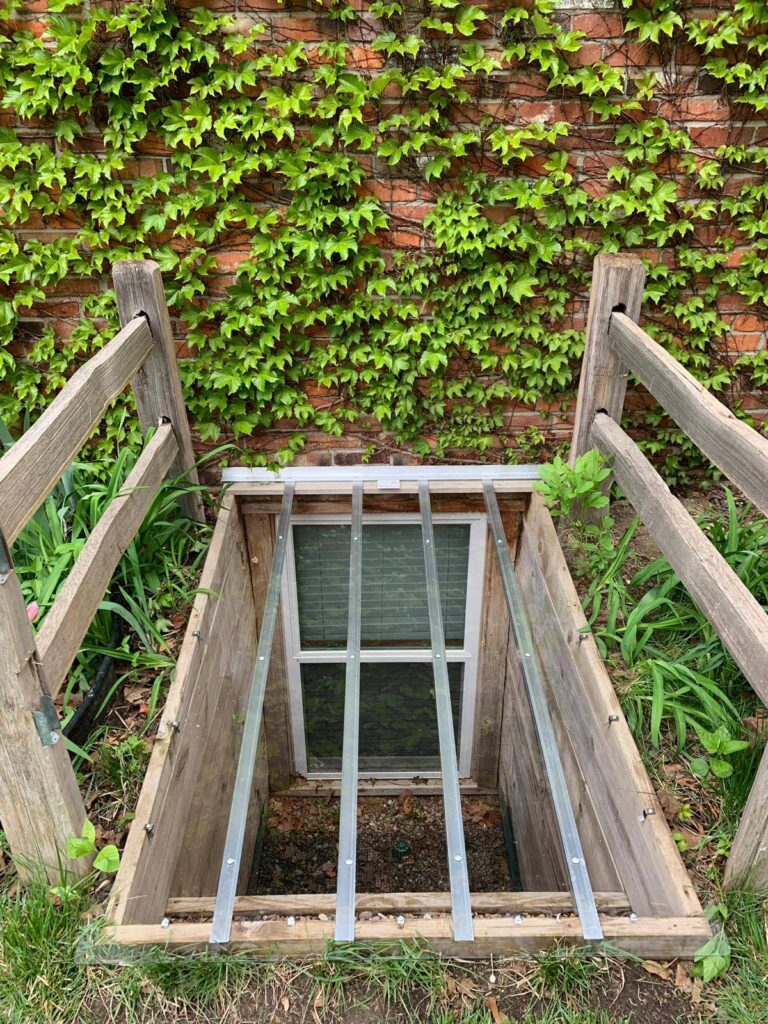
Shopping for the best window well covers often starts with a search for a top-ten list. This is not a list of brands. Window wells vary too much for one product to win everywhere. What follows is a checklist you can hold any cover up against, using CoverUp's specifications as an example of what the answers can look like.
How to choose window well covers: the eight-point checklist
1. Does it fit your actual well?
Stock covers come in a handful of sizes, while real wells bow, lean and curve. A cover that is too small slips in, and one with gaps lets in leaves and snowmelt. CoverUp measures the widest part of each well and its projection, then builds the cover in its work truck right outside, so it is cut to that one rim. See the styles on our custom window well covers page.
2. What is it made of?
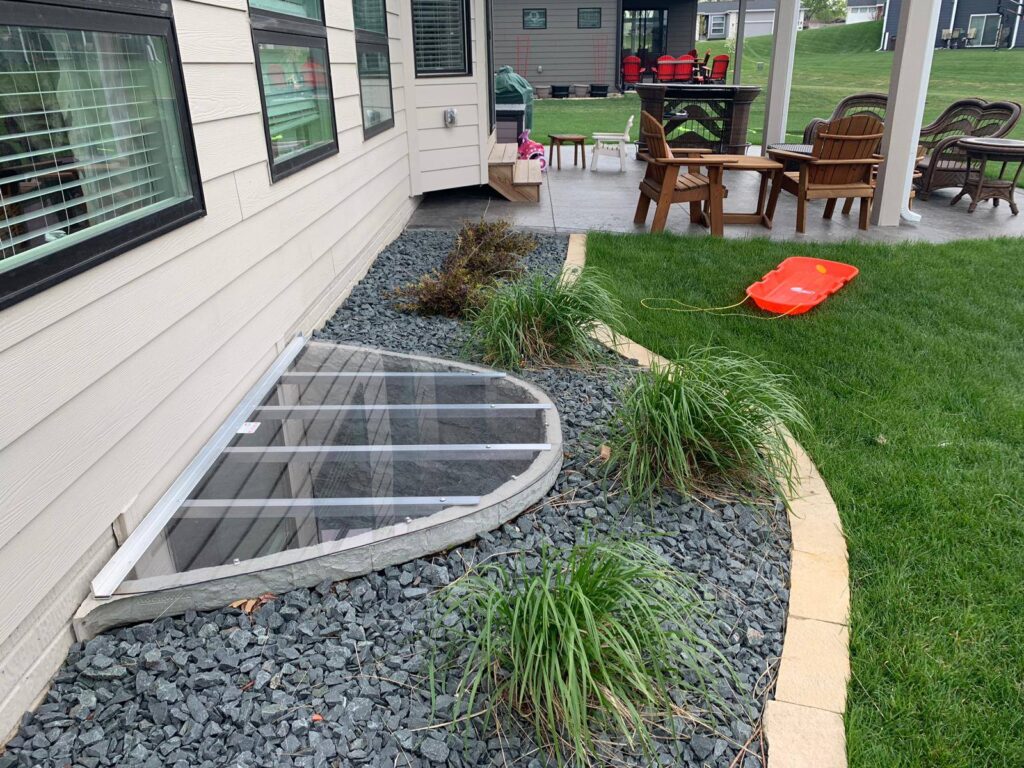
Ask for the material by name. Clear covers are usually acrylic or polycarbonate, and the two behave very differently in cold weather and under impact. Our breakdown of plastic and polycarbonate window well covers explains why that one word matters. CoverUp uses Lexan polycarbonate over an aluminum frame.
3. How much weight can it hold?
A cover should have a stated load rating, not just a promise that it is strong. CoverUp's covers hold up to 800 lbs, thanks to aluminum cross supports, a double main support against the foundation and stainless steel rivets.
4. Can it be opened from inside?
This is the question buyers most often skip. The common reference is IRC R310, which calls for a minimum of 9 sq ft of net clear area, at least 36 inches across in each horizontal dimension, and a ladder or steps for wells over 44 inches deep. A person below must be able to release the cover without keys, tools or any special knowledge. Check with your local building department for the version your town uses.
5. How is it attached?
Covers fastened to siding or foundation leave holes behind and can be hard to remove. CoverUp attaches covers to the well itself with stainless steel clips, or with an interior lock that opens from inside by pulling a pin.
6. How much light gets through?
Solid tops block daylight. Clear tops keep a basement bright, and tinted ones split the difference when privacy matters.
7. What does the warranty cover?
Read whether the warranty covers the structure, the hardware or both, and for how long. CoverUp backs its covers with a lifetime warranty.
8. Who installs it?
A great cover installed crooked will still let water in. Look for an installer who checks the fit and the release before leaving. CoverUp's cover installation is done entirely outside, so you do not need to be home as long as the crew has yard access and an outdoor outlet.

What are the best basement window well covers for each kind of well?
| Your situation | What tends to work |
|---|---|
| Egress window in a bedroom | Clear polycarbonate cover with clips or an interior lock that opens from inside |
| Existing grate you want to keep | An overlay on top of the grate to block debris and wildlife |
| Very wide or oddly shaped well | A custom or extra large cover built to the exact outline |
| Window that rises above the well | A box or high window cover that encloses the window |
| Wish for less glare or more privacy | A tinted cover |
| Outside a crew's service area | Templates by mail, then a custom cover shipped to you |
If you are unsure what kind of well you have in the first place, our explainer on what a window well is covers the common types and their parts.
What are the best window well covers for snow country?
Heavy snow is the true test of any cover. Look for a clear top with metal supports underneath, a slope that sheds meltwater away from the house, and a stated weight rating. Avoid covers that already flex when you press on the middle in the store. If you prefer an all-metal look, our guide to metal window well covers compares aluminum, grates and galvanized options.
What mistakes do people make when buying window well covers?
- Buying by the size on the box instead of measuring the well at the foundation and at the front.
- Choosing a solid top for a bedroom well, then living with a dark room.
- Skipping the inside-release test on an egress window.
- Setting a new cover on a rusted or leaning well that should have been replaced first.
- Ignoring the warranty until something breaks.
Avoid those five and you are most of the way to the best window well covers for your home, whoever builds them.
How much do good window well covers cost?
Price depends on the number of wells, their size and shape, and the style you pick. Our article on how much window well covers cost explains the factors that move an estimate. For your own wells, call 888-267-4242 for an estimate.
Frequently Asked Questions
Are custom covers better than stock sizes?
For a well that matches a stock size exactly, a stock cover can fit. Most wells are not that tidy, and a custom cover closes the gaps that let water, leaves and animals in.
What should a window well cover be made of?
A clear, impact-resistant polycarbonate top on a metal frame balances light and strength. Solid aluminum and grates suit specific needs such as privacy or fall protection.
How long has CoverUp been building covers?
CoverUp has been building custom window well covers and grates since 2008.
Ready to hold your wells up to the checklist? Contact CoverUp or call 888-267-4242, and an installer can measure and build covers made for your home.
Where we install
- Window well covers in Denver
- Colorado service area
- Midwest service area
- Custom window well covers
- Cover installation
- Get a free estimate


